
But first, here’s where you can find me in the near future!
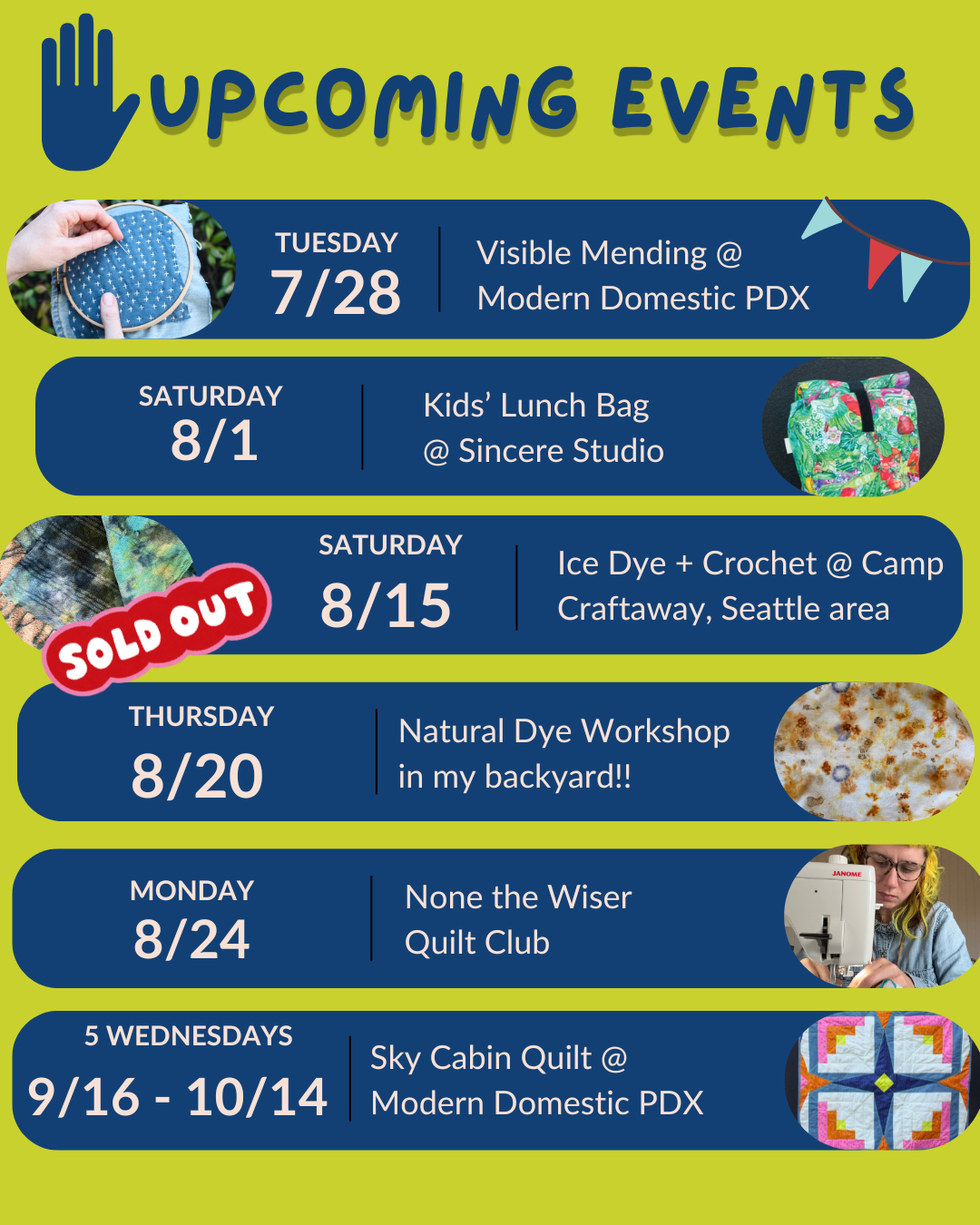
Visible Mending @ Modern Domestic
Kids’ Lunch Bag @ Sincere Studio
Natural Dye Workshop @ my backyard - I got a little grant to host this workshop and it took me 2 years to have flowers to do it! Wanna come do a little dyeing with me in my backyard?? Subsidized price thanks to the RACC grant :)
Quilt Club! Sewing with friends in Portland - email me if you want to join us
Sky Cabin quilt @ Modern Domestic - this quilt is so fun and I haven’t taught it in over a year. Come learn log cabin, half square triangles, AND half rectangle triangles! An excellent expansion from beginning quilting.
Okay I went down a little bit of a rabbit hole that started with learning about the history of outdoor gear

Multicam vs. Operational Camouflage Pattern. Multicam is a proprietary licensed pattern, and OCP is the pattern used by the US military
First, about a year ago I listened to Articles of Interest (a 99% invisible offshoot, if you know that one). Season 5 theme is Gear. This is a great podcast, I highly recommend! The Gear season was very interesting and ends up talking A LOT about the military, and consequently dives into the history of camouflage (read about it on her substack). I also found this other random substack about camo if you want to keep diving.
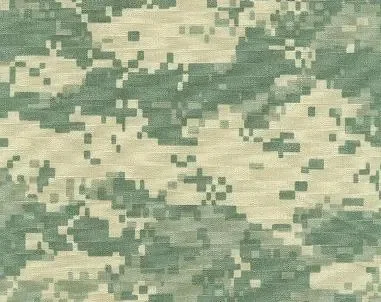
UCP - universal camouflage pattern
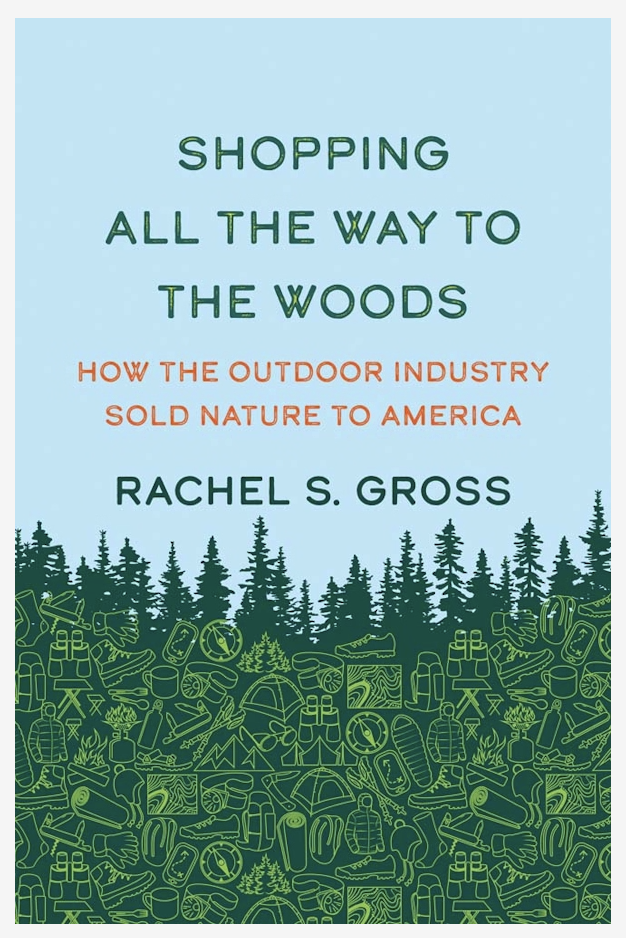
Then, a couple weeks ago, I listened to a book about the history of outdoor gear because it was mentioned in the podcast. (Now I’m reading a book about the history of pockets that was mentioned in Articles of Interest season 1!) This book is called Shopping All the Way to the Woods: How the Outdoor Industry Sold Nature to America by Rachel S Gross. I would also recommend this book! I really enjoyed it, and learned that the outdoor industry is pretty new, and also that Mr. GoreTex died from cancer because he was heating and stretching teflon in his basement, and that’s how goretex was invented.
I also learned that kits used to be a big thing in outdooor gear world - you would buy a raincoat kit with all the pieces cut and then sew it at home! Fascinating!
Camouflage is not a big part of this book, except to mention that outdoor gear started as military surplus, which is basically how camo/military gear got into “civilian life”.
OKAY THEN, I traveled back in time in my memories to what turned out to be 2009 (google told me) when I saw an art show at the Chicago Cultural Center by Ellen Rothenburg that was kind of about camo, and then in 2013ish I heard her give a talk at MICA (Maryland Institute College of Art) about how we should all be protesting having camo in our lives, and I remember her telling us all to buy all the camo at the thrift stores and then throw it out, to get it out of circulation.
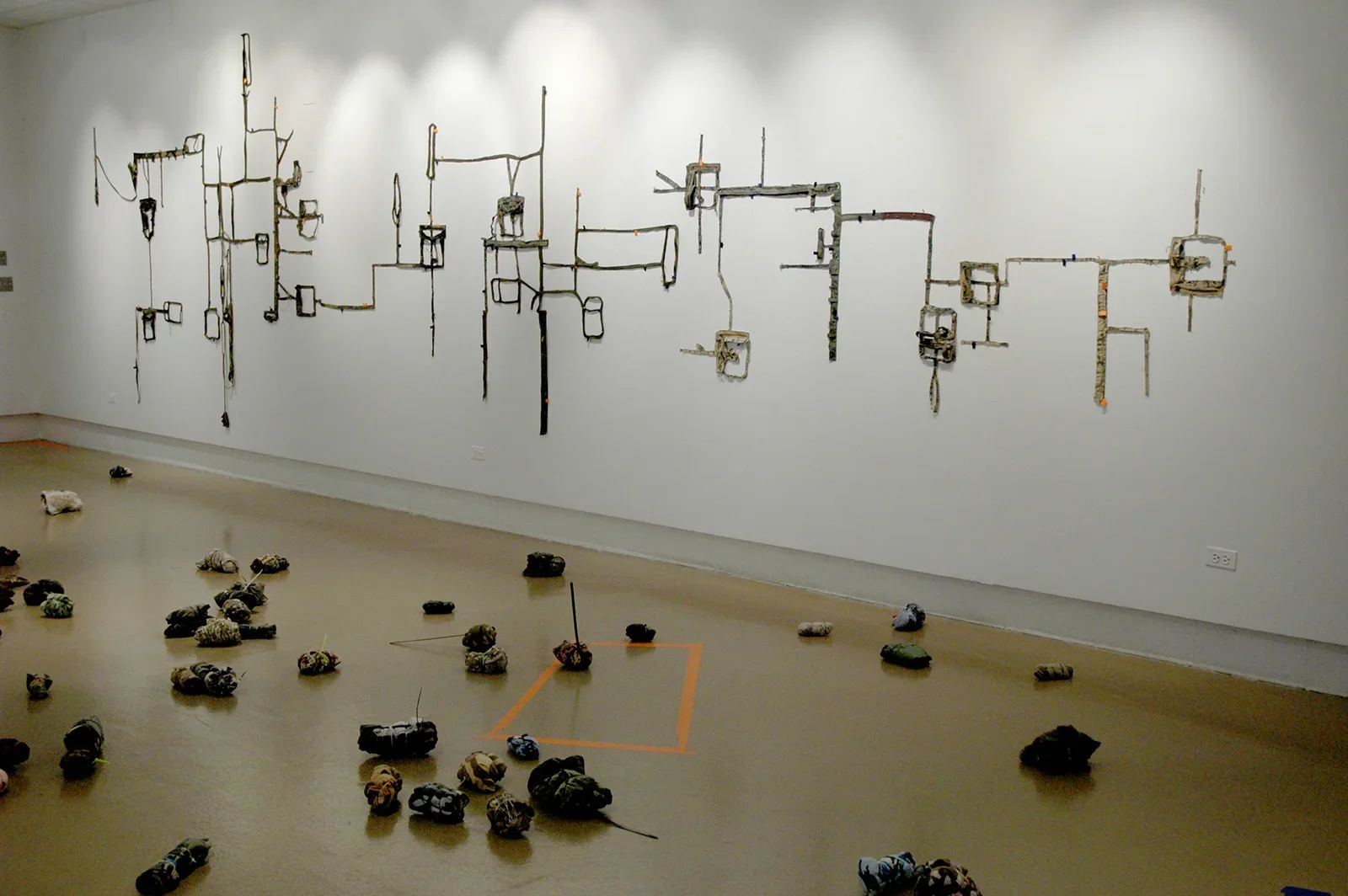
Stealth by Ellen Rothenberg
From Rothenberg’s site:
As an installation, Stealth is a series of related works. Wall-sized maps made from the cut seams of camouflage clothing. Each map is punctuated with numbered tacks and tiny plastic flags. There's a wall text of excerpts from patriotic songs, a how-to diagram exhorting you to strip camouflage clothing off the backs of your friends along with instructions for the storage and containment of this dangerous and invasive material.
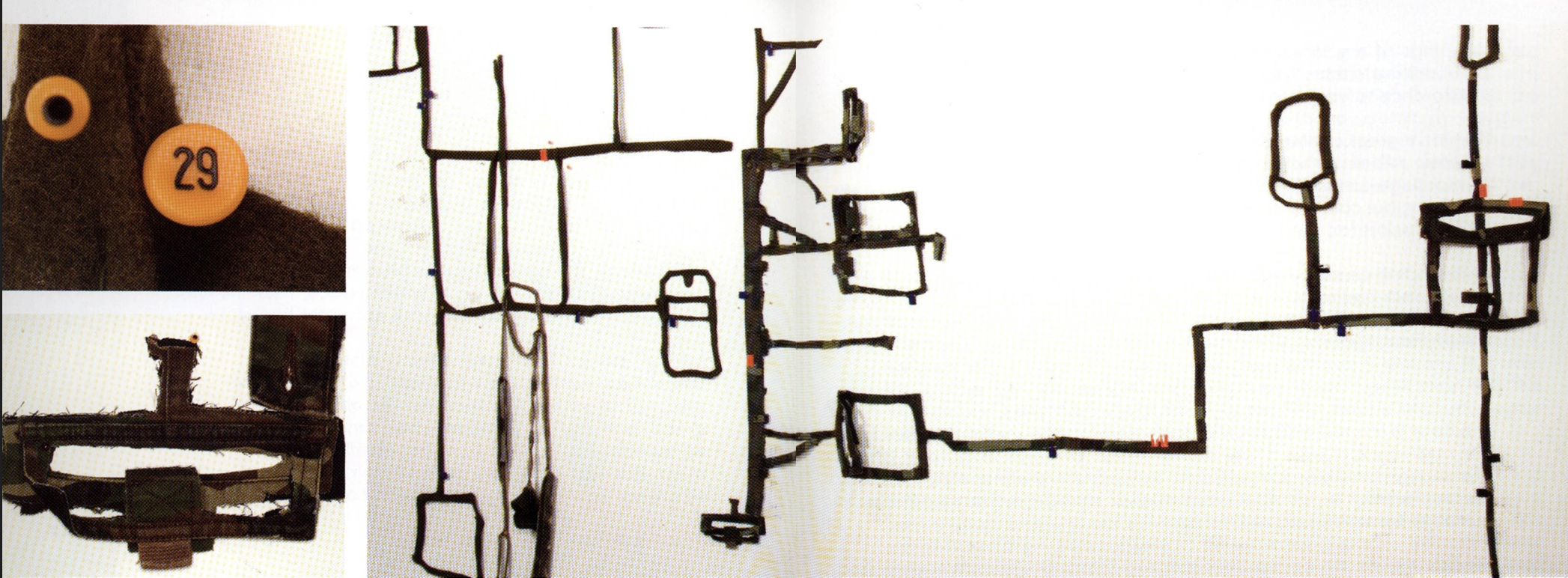
More Stealth images, from this PDF
This is a very different conclusion from Avery Trufelman, who says that she was previously opposed to wearing camo and then changed her mind after her reporting. Avery’s conclusion, as I remember it, was that all the outdoor gear companies are making gear for the military, so why bother ignoring this inherent connection? Trufelman and Rothenburg both went to the Natick Soldier Systems Center, a part of the Department of Defense that develops US military clothing among other things for their research.
Camo was also a big part of the anti war movement in the 60s and 70s as well, as protesters wore military surplus camo as an act of rebellion. Presumably this is also related to the rise of outdoor gear from military surplus stores.
So anyways, what are your thoughts on camo? Do you have any specific memories about how you got outdoor gear, how it was made, etc? It was very fun to remember this art show from so long ago, find it online and see the impact it made on me. The Chicago Cultural Center is still one of my most favorite places that I’ve seen art shows.
Until next time,
Vivien